Domain steuerpflichtigkeit.de kaufen?
Wir ziehen mit dem Projekt
steuerpflichtigkeit.de um.
Sind Sie am Kauf der Domain
steuerpflichtigkeit.de interessiert?
domain@kv-gmbh.de · 0541-91531010
Domain steuerpflichtigkeit.de kaufen?
¿Cómo es vivir en tiempos difíciles con terciopelo robado?
Vivir en tiempos difíciles con terciopelo robado puede ser complicado y arriesgado. El robo de terciopelo es un delito y puede tener consecuencias legales graves. Además, el terciopelo robado puede ser difícil de vender o utilizar sin levantar sospechas. En general, vivir en tiempos difíciles con terciopelo robado implica vivir con el temor constante de ser descubierto y enfrentar las consecuencias de tus acciones. **
¿El catalán es una amenaza para el castellano?
No, el catalán no es una amenaza para el castellano. Ambos idiomas coexisten en Cataluña y en otras regiones de España de manera pacífica y enriquecedora. El respeto y la promoción de la diversidad lingüística son fundamentales para una convivencia armoniosa. **

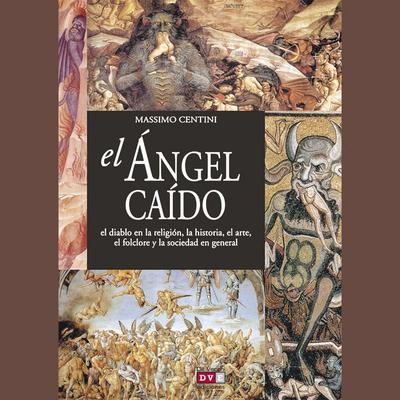
Ähnliche Suchbegriffe für El-ángel-robado
Top-Angebote
Produkte zum Begriff El-ángel-robado:
-
Arteaga, Miguel Ángel: Ceramic Artists on Creative ProcessesCeramic Artists on Creative Processes , This book contains a representative selection of the work of some of the best ceramic artists in the world. The 25 featured artists explain, in their own words, the creative processes behind their work, what inspires them, the strategies they use to stay fresh and creative, what distinguishes their work from that of other ceramic artists and how they achieve this. Through examples of their most personal creations -objects capable of affecting us emotionally, surprising us and making us think-, the artists reveal important details about their ceramic creations: how it was made, how it was shaped, which glaze and engobe coating they used to give the clay color and texture, the firing temperature of the kiln and the type of kiln chosen. The reader is provided with an illuminating glimpse into each artist's unique creative world, where they point out the defining features of their work and reveal some of the secrets that characterize their artistic processes. Paragons of exploration, risk and versatility, the extraordinary artists highlighted in this book rediscover thousand-year-old traditions, reinvent perspectives, transcend boundaries, tell stories and rebel from conventional expectations, creating in the process an exhilarating space where art, clay, water, air and fire meet and, ultimately, inspire. CERAMISTS INCLUDED. ARGELIA: Nathalie Doyen (Belgium). BELGIUM: Ann VanHoey. CHINA: Wan Liya. FRANCE: Monsieur Cailloux. GERMANY: Monika Debus. INDIA: Madhvi Subrahmanian. IRLAND: Nuala O'Donovan. ITALY: Paola Paronetto. JAPAN: Shozo Michikawa, Kaori Kurihara (now France), Yuko Nishikawa (now USA). MEXICO: Gustavo Pérez. NETHERLANDS: Cecil Kemperink. NIGERIA: Ngozi Omeje Ezema. POLAND: Monika Patuszynska. SPAIN: Ícaro Maiterena, Xabier Montsalvaje, María Oriza, Myriam Jiménez Huertas, Ana Felipe, Roger Coll. UK: Alice Walton, Nicholas Lees. USA: Lauren Nauman, Godeleine de Rosamel. , Hitzeschilder & Schutz > Luftversorgung , Erscheinungsjahr: 20240209, Produktform: Leinen, Titel der Reihe: How Ideas are Born##, Autoren: Arteaga, Miguel Ángel~de la Cal Nicolás, Teresa, Seitenzahl/Blattzahl: 279, Abbildungen: Durweg farbige Abbildungen, Keyword: Erfindung; Inspiration; Interviews; Keramik; Keramiker; Konfort-Zone; Kreation; Kreativität; Kreativitätsblock; Kreativitätskrise; Phantasie; Produktivitätsstrategien; Skizzen; Skizzenbücher; artistic ceramics; ceramics; cermist; confort zone; creation; creative block; creative process; creative processes; creativity; imagination; inspiration; interviews; invention; kreative Prozesse; kreativer Block; künstlerische Keramik; sketchbooks; sketches, Fachschema: Künstler - Künstlerin~Kognitionspsychologie~Psychologie / Kognitionspsychologie~Irdenware~Keramik~Handwerk / Kunsthandwerk~Kunsthandwerk~Ton (Werkstoff ) - Töpfern, Fachkategorie: einzelne Künstler, Künstlermonografien~Kognitive Psychologie~Töpferwaren, Keramik und Glashandwerk, Warengruppe: HC/Kunst/Sonstiges, Fachkategorie: Kunst: Keramik, Töpferei, Glas, UNSPSC: 49019900, Warenverzeichnis für die Außenhandelsstatistik: 49019900, Verlag: promopress, Verlag: promopress, Verlag: HOAKI BOOKS S.L., Länge: 233, Breite: 190, Höhe: 27, Gewicht: 934, Produktform: Gebunden, Genre: Importe, Genre: Importe,31,27 €*Versand: 0,00 €Sichere Weiterleitung zum Anbieter


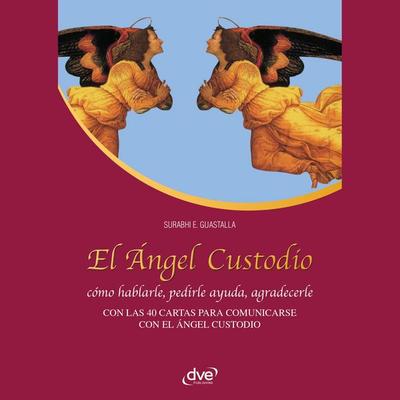
-
Was bedeutet "Visca el Barça, Visca el Catalunya"?
"Visca el Barça, Visca el Catalunya" ist ein katalanischer Ausdruck, der so viel bedeutet wie "Es lebe der Barça, es lebe Katalonien". Es ist eine häufig verwendete Phrase von Fans des FC Barcelona, um ihre Unterstützung für den Verein und ihre Verbundenheit mit der katalanischen Kultur und Identität zum Ausdruck zu bringen. **
-
¿En español, se utiliza el subjuntivo o el indicativo con la expresión "el hecho de que"?
En español, se utiliza el subjuntivo con la expresión "el hecho de que" cuando se expresa una acción o situación hipotética, dudosa o no confirmada. Por ejemplo: "Me preocupa el hecho de que no venga" (expresando preocupación por una posible ausencia). Sin embargo, se utiliza el indicativo cuando se habla de un hecho real o confirmado. Por ejemplo: "El hecho de que llegara tarde fue un problema" (se refiere a un hecho real de llegar tarde). **
-
Was bedeutet "el"?
"el" ist ein bestimmter Artikel im Spanischen und bedeutet "der" im Deutschen. Es wird vor männlichen Substantiven verwendet, die im Singular stehen. Zum Beispiel: "el libro" (das Buch), "el hombre" (der Mann). **
-
¿Cuál es la diferencia entre el objeto directo y el objeto indirecto?
El objeto directo es el complemento que recibe directamente la acción del verbo, mientras que el objeto indirecto es el complemento que recibe indirectamente la acción del verbo, a través de una preposición. El objeto directo responde a la pregunta "¿qué?" o "¿quién?", mientras que el objeto indirecto responde a la pregunta "¿a quién?" o "¿para quién?". **

Was bedeutet Abkürzung El?
Die Abkürzung "El" kann verschiedene Bedeutungen haben, abhängig vom Kontext, in dem sie verwendet wird. In der deutschen Sprache kann "El" beispielsweise für "Elektrizität" stehen, wie in "El. Anschluss" für Elektroanschluss. Im Spanischen kann "El" auch als Artikel für das männliche Substantiv "el" verwendet werden, was "der" bedeutet. Es könnte auch als Abkürzung für "Eltern" oder "Elternschaft" stehen, wie in "El. Urlaub" für Elternurlaub. Um genau zu wissen, was mit "El" gemeint ist, ist es wichtig, den Kontext zu berücksichtigen, in dem die Abkürzung verwendet wird. **
Was bedeutet 1 EL?
"Was bedeutet 1 EL?" ist eine Abkürzung für die Frage "Was bedeutet 1 Esslöffel?". Ein Esslöffel (EL) ist eine Maßeinheit in der Küche, die häufig für die Dosierung von Zutaten verwendet wird. Ein Esslöffel entspricht in der Regel etwa 15 Millilitern. Es ist wichtig, die richtige Menge an Zutaten zu verwenden, um ein Rezept erfolgreich zuzubereiten. Daher ist es hilfreich zu wissen, was genau mit 1 EL gemeint ist. **
Top-Angebote
Produkte zum Begriff El-ángel-robado:
-
Arteaga, Miguel Ángel: Ceramic Artists on Creative ProcessesCeramic Artists on Creative Processes , This book contains a representative selection of the work of some of the best ceramic artists in the world. The 25 featured artists explain, in their own words, the creative processes behind their work, what inspires them, the strategies they use to stay fresh and creative, what distinguishes their work from that of other ceramic artists and how they achieve this. Through examples of their most personal creations -objects capable of affecting us emotionally, surprising us and making us think-, the artists reveal important details about their ceramic creations: how it was made, how it was shaped, which glaze and engobe coating they used to give the clay color and texture, the firing temperature of the kiln and the type of kiln chosen. The reader is provided with an illuminating glimpse into each artist's unique creative world, where they point out the defining features of their work and reveal some of the secrets that characterize their artistic processes. Paragons of exploration, risk and versatility, the extraordinary artists highlighted in this book rediscover thousand-year-old traditions, reinvent perspectives, transcend boundaries, tell stories and rebel from conventional expectations, creating in the process an exhilarating space where art, clay, water, air and fire meet and, ultimately, inspire. CERAMISTS INCLUDED. ARGELIA: Nathalie Doyen (Belgium). BELGIUM: Ann VanHoey. CHINA: Wan Liya. FRANCE: Monsieur Cailloux. GERMANY: Monika Debus. INDIA: Madhvi Subrahmanian. IRLAND: Nuala O'Donovan. ITALY: Paola Paronetto. JAPAN: Shozo Michikawa, Kaori Kurihara (now France), Yuko Nishikawa (now USA). MEXICO: Gustavo Pérez. NETHERLANDS: Cecil Kemperink. NIGERIA: Ngozi Omeje Ezema. POLAND: Monika Patuszynska. SPAIN: Ícaro Maiterena, Xabier Montsalvaje, María Oriza, Myriam Jiménez Huertas, Ana Felipe, Roger Coll. UK: Alice Walton, Nicholas Lees. USA: Lauren Nauman, Godeleine de Rosamel. , Hitzeschilder & Schutz > Luftversorgung , Erscheinungsjahr: 20240209, Produktform: Leinen, Titel der Reihe: How Ideas are Born##, Autoren: Arteaga, Miguel Ángel~de la Cal Nicolás, Teresa, Seitenzahl/Blattzahl: 279, Abbildungen: Durweg farbige Abbildungen, Keyword: Erfindung; Inspiration; Interviews; Keramik; Keramiker; Konfort-Zone; Kreation; Kreativität; Kreativitätsblock; Kreativitätskrise; Phantasie; Produktivitätsstrategien; Skizzen; Skizzenbücher; artistic ceramics; ceramics; cermist; confort zone; creation; creative block; creative process; creative processes; creativity; imagination; inspiration; interviews; invention; kreative Prozesse; kreativer Block; künstlerische Keramik; sketchbooks; sketches, Fachschema: Künstler - Künstlerin~Kognitionspsychologie~Psychologie / Kognitionspsychologie~Irdenware~Keramik~Handwerk / Kunsthandwerk~Kunsthandwerk~Ton (Werkstoff ) - Töpfern, Fachkategorie: einzelne Künstler, Künstlermonografien~Kognitive Psychologie~Töpferwaren, Keramik und Glashandwerk, Warengruppe: HC/Kunst/Sonstiges, Fachkategorie: Kunst: Keramik, Töpferei, Glas, UNSPSC: 49019900, Warenverzeichnis für die Außenhandelsstatistik: 49019900, Verlag: promopress, Verlag: promopress, Verlag: HOAKI BOOKS S.L., Länge: 233, Breite: 190, Höhe: 27, Gewicht: 934, Produktform: Gebunden, Genre: Importe, Genre: Importe,31,27 €*Versand: 0,00 €Sichere Weiterleitung zum Anbieter
-
¿Cómo es vivir en tiempos difíciles con terciopelo robado?
Vivir en tiempos difíciles con terciopelo robado puede ser complicado y arriesgado. El robo de terciopelo es un delito y puede tener consecuencias legales graves. Además, el terciopelo robado puede ser difícil de vender o utilizar sin levantar sospechas. En general, vivir en tiempos difíciles con terciopelo robado implica vivir con el temor constante de ser descubierto y enfrentar las consecuencias de tus acciones. **
-
¿El catalán es una amenaza para el castellano?
No, el catalán no es una amenaza para el castellano. Ambos idiomas coexisten en Cataluña y en otras regiones de España de manera pacífica y enriquecedora. El respeto y la promoción de la diversidad lingüística son fundamentales para una convivencia armoniosa. **
-
Was bedeutet "Visca el Barça, Visca el Catalunya"?
"Visca el Barça, Visca el Catalunya" ist ein katalanischer Ausdruck, der so viel bedeutet wie "Es lebe der Barça, es lebe Katalonien". Es ist eine häufig verwendete Phrase von Fans des FC Barcelona, um ihre Unterstützung für den Verein und ihre Verbundenheit mit der katalanischen Kultur und Identität zum Ausdruck zu bringen. **
-
¿En español, se utiliza el subjuntivo o el indicativo con la expresión "el hecho de que"?
En español, se utiliza el subjuntivo con la expresión "el hecho de que" cuando se expresa una acción o situación hipotética, dudosa o no confirmada. Por ejemplo: "Me preocupa el hecho de que no venga" (expresando preocupación por una posible ausencia). Sin embargo, se utiliza el indicativo cuando se habla de un hecho real o confirmado. Por ejemplo: "El hecho de que llegara tarde fue un problema" (se refiere a un hecho real de llegar tarde). **
Ähnliche Suchbegriffe für El-ángel-robado
-
Was bedeutet "el"?
"el" ist ein bestimmter Artikel im Spanischen und bedeutet "der" im Deutschen. Es wird vor männlichen Substantiven verwendet, die im Singular stehen. Zum Beispiel: "el libro" (das Buch), "el hombre" (der Mann). **
-
¿Cuál es la diferencia entre el objeto directo y el objeto indirecto?
El objeto directo es el complemento que recibe directamente la acción del verbo, mientras que el objeto indirecto es el complemento que recibe indirectamente la acción del verbo, a través de una preposición. El objeto directo responde a la pregunta "¿qué?" o "¿quién?", mientras que el objeto indirecto responde a la pregunta "¿a quién?" o "¿para quién?". **
-
Was bedeutet Abkürzung El?
Die Abkürzung "El" kann verschiedene Bedeutungen haben, abhängig vom Kontext, in dem sie verwendet wird. In der deutschen Sprache kann "El" beispielsweise für "Elektrizität" stehen, wie in "El. Anschluss" für Elektroanschluss. Im Spanischen kann "El" auch als Artikel für das männliche Substantiv "el" verwendet werden, was "der" bedeutet. Es könnte auch als Abkürzung für "Eltern" oder "Elternschaft" stehen, wie in "El. Urlaub" für Elternurlaub. Um genau zu wissen, was mit "El" gemeint ist, ist es wichtig, den Kontext zu berücksichtigen, in dem die Abkürzung verwendet wird. **
-
Was bedeutet 1 EL?
"Was bedeutet 1 EL?" ist eine Abkürzung für die Frage "Was bedeutet 1 Esslöffel?". Ein Esslöffel (EL) ist eine Maßeinheit in der Küche, die häufig für die Dosierung von Zutaten verwendet wird. Ein Esslöffel entspricht in der Regel etwa 15 Millilitern. Es ist wichtig, die richtige Menge an Zutaten zu verwenden, um ein Rezept erfolgreich zuzubereiten. Daher ist es hilfreich zu wissen, was genau mit 1 EL gemeint ist. **
* Alle Preise verstehen sich inklusive der gesetzlichen Mehrwertsteuer und ggf. zuzüglich Versandkosten. Die Angebotsinformationen basieren auf den Angaben des jeweiligen Shops und werden über automatisierte Prozesse aktualisiert. Eine Aktualisierung in Echtzeit findet nicht statt, so dass es im Einzelfall zu Abweichungen kommen kann. ** Hinweis: Teile dieses Inhalts wurden von KI erstellt.